Caring for Pets in Cold Weather: Essential Tips for Your Furry Friends

Updated: Sep 30
Keep Pets Warm and Comfortable
When temperatures drop, our pets face challenges that require extra attention and care. Cold weather can affect their health and comfort in ways we might not immediately notice. As a pet owner, understanding how to protect your furry friends during chilly months is crucial. We have gathered practical advice for caring for pets during cold weather to help you keep your pets safe, warm, and happy.

Pets, especially those with short fur or small body size, can feel the cold more intensely. Here are some ways to help them stay warm:
Provide insulated bedding: Use blankets or pet beds with thermal lining to keep them off cold floors.
Dress them appropriately: Sweaters or jackets designed for pets can add an extra layer of warmth during outdoor walks.
Limit outdoor time: Shorten walks and playtime outside when temperatures drop below freezing.
Senior pet care requires special attention because older animals often have weaker immune systems and may struggle to regulate body temperature. For example, arthritis in senior dogs (and cats) can worsen in cold weather, so keeping them warm helps reduce discomfort.
Watch for Signs of Cold Stress
Pets can’t always tell us when they’re cold, so watch for these signs:
Shivering or trembling
Whining or anxiety
Lifting paws off cold ground
Seeking warmth or hiding
Lethargy or slow movements
If you notice any of these, bring your pet indoors immediately and warm them gradually. Avoid using direct heat sources like heating pads without supervision, as pets can get burned.
Adjust Diet and Hydration
Cold weather and pets’ activity levels often change during winter. They might burn more calories to stay warm or become less active. Adjust their diet accordingly:
Increase calorie intake slightly if your pet spends significant time outdoors.
Maintain fresh water availability: Pets still need plenty of water, even if they drink less in cold weather. Check water bowls regularly to prevent freezing.
For senior pets, consult your vet about diet changes that support joint health and energy levels during colder months.
Protect Paws from Ice and Salt
Walking on icy sidewalks or salted roads can harm your pet’s paws. Salt and chemicals can cause irritation or burns. Here’s how to protect them:
Use pet-safe paw balms before walks to create a protective barrier.
Rinse paws with warm water after outdoor time to remove salt and debris.
Consider dog booties for extended outdoor exposure, especially for small or sensitive breeds.
Create a Safe Indoor Environment
Indoor heating can dry out the air, affecting your pet’s skin and respiratory system. Use a humidifier if your home feels dry. Also, keep heating vents and fireplaces safe:
Place barriers around fireplaces to prevent burns.
Avoid space heaters where pets can knock them over or get too close.
Make sure your pet has a cozy spot away from drafts and cold floors.
Special Care for Senior Pets
Senior pets need extra care during cold weather. Their joints may stiffen, and they can become more vulnerable to illnesses. Here are some tips:
Schedule regular vet check-ups to monitor health.
Provide orthopedic beds to ease joint pain.
Keep their living area warm and draft-free.
Monitor for signs of hypothermia or respiratory issues.
Caring for pets in cold weather means paying attention to these subtle changes and adjusting their care routine.
Avoid Common Cold Weather Hazards
Certain dangers increase during winter months:
Antifreeze poisoning: This chemical is toxic to pets and often found on driveways. Clean spills immediately and store antifreeze safely.
Frozen ponds or lakes: Keep pets away from ice-covered water to prevent accidents.
Holiday decorations: Some plants and decorations can be harmful if ingested.
Stay vigilant and create a safe environment both indoors and outdoors.
Keep Up With Exercise and Mental Stimulation
Cold weather can reduce outdoor activity, but pets still need exercise and mental engagement:
Use indoor games and training sessions to keep them active.
Take shorter, more frequent walks when possible.
Provide puzzle toys to stimulate their minds.
This helps maintain their physical health and prevents boredom-related behaviors.
Conclusion: The Importance of Winter Pet Care
Caring for pets in cold weather is essential for their health and happiness. By following these tips, you can ensure your furry friends stay warm, safe, and comfortable. Remember, your attention and care make all the difference during these chilly months.
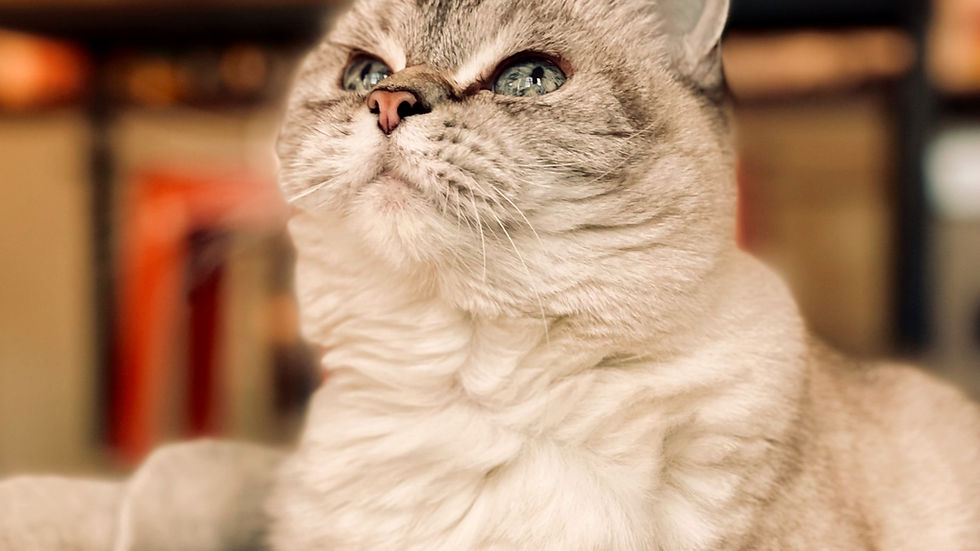
Our gorgeous girl Flash - with her winter jumper on!
---wix---

Comments